Нужно ли каждому основателю криптопроекта становиться создателем контента?
Кажется, некоторые основатели тратят на X и LinkedIn столько же времени, сколько на управление своими компаниями. Это зависит от аудитории и других факторов. Хотите узнать больше?
Does Every Crypto Founder Need to Become a Content Creator?
Some founders seem to spend as much time on X and LinkedIn as they do running their companies. It depends on the audience and other things. Want to know more?
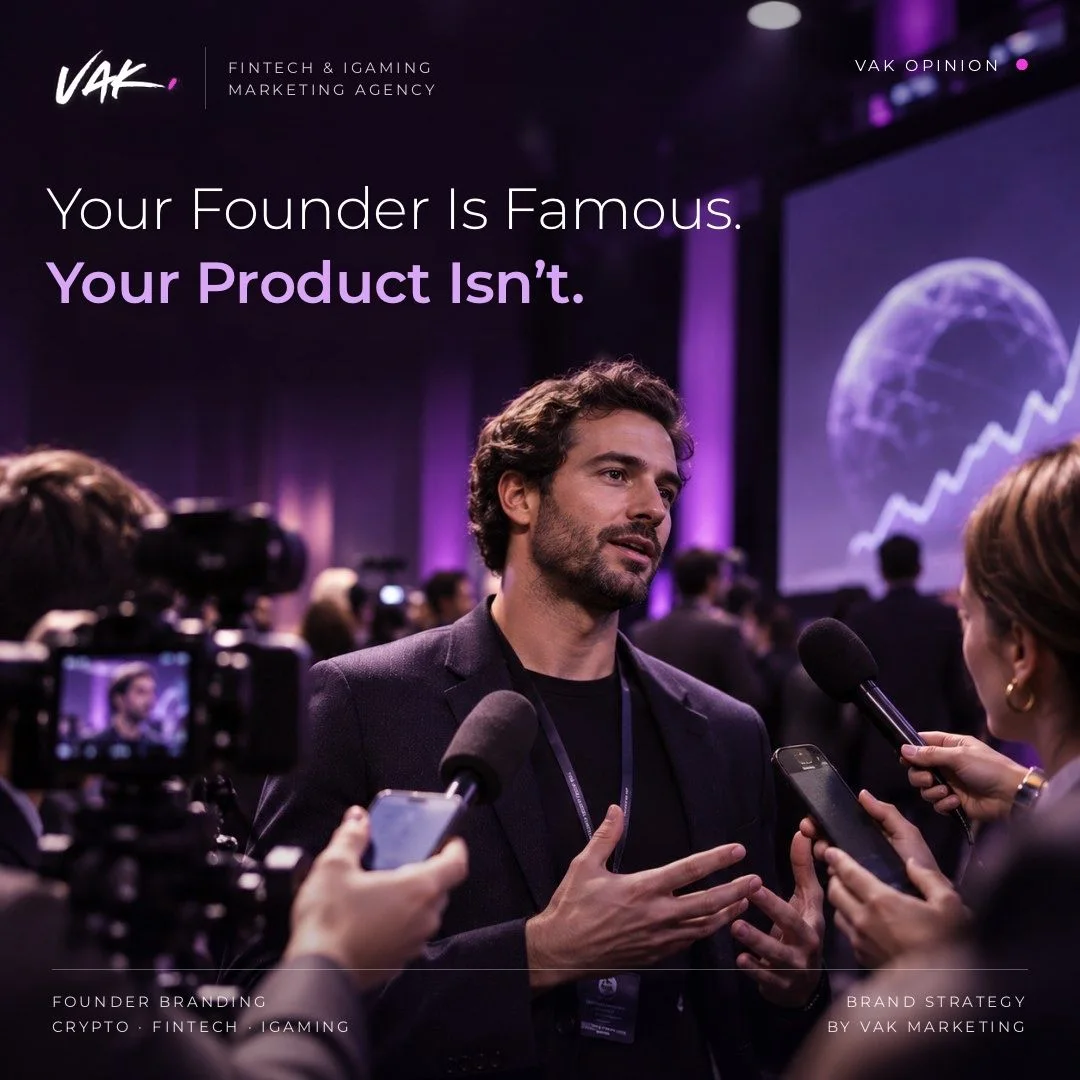
Кажется, некоторые основатели крипто-компаний тратят на X и LinkedIn столько же времени, сколько на управление своими предприятиями. Они комментируют регулирование, участвуют в подкастах, делятся фотографиями с конференций и объясняют, куда, по их мнению, движется отрасль. Для некоторых компаний такая публичность стала важной частью привлечения внимания и укрепления доверия. Людям часто интереснее услышать мнение человека, принимающего решения, чем читать очередной тщательно одобренный корпоративный пресс-релиз.
И этому есть веская причина. Криптовалютная индустрия — это сфера, где потенциальные клиенты и инвесторы часто хотят знать, кто стоит за продуктом. Основатель, способный объяснить сложные технические решения, обсудить неудачи и публично ответить на неудобные вопросы, может дать людям лучшее понимание бизнеса. Интервью с человеком, который действительно создал инфраструктуру, может быть более убедительным, чем месяц тщательно подготовленного рекламного контента.
Но представьте себе основателя со 100 000 подписчиков, на сайте которого до сих пор не объясняется, что представляет собой продукт, на какие рынки он ориентирован и как потенциальный партнер может начать сотрудничество. Публикации основателя привлекают внимание, но потенциальные клиенты с трудом находят необходимую информацию для принятия бизнес-решения. И если все важные объявления поступают через личный аккаунт одного человека, компания становится все более зависимой от его доступности, репутации и мнения.
Это создает еще одну проблему по мере роста бизнеса. Спорное высказывание основателя может в течение нескольких часов превратиться в проблему коммуникации внутри всей компании, особенно в отрасли, где регулирование и общественное доверие и без того требуют пристального внимания. Тот же человек, который помог привлечь первоначальное сообщество, может оказаться не лучшим кандидатом для информирования обо всех технических обновлениях или изменениях в законодательстве.
Основателю не обязательно публиковать статьи каждый день или превращать каждое выступление на конференции в кампанию по продвижению личного бренда. Некоторые — отличные публичные коммуникаторы. Другие гораздо эффективнее время от времени дают интервью специалистам, пока их компания формирует собственный узнаваемый стиль. Решение должно зависеть от аудитории, продукта и того, чего на самом деле пытается достичь бизнес.
Что вы думаете? Должны ли основатели быть публичным лицом своих компаний, или же бренд со временем должен стать более значимым, чем человек, который его создал?
О компании VAK Marketing
VAK Marketing — это рекламное агентство, которое с 2018 года занимается продвижением блокчейн- и финтех-проектов, криптотокенов, IT-стартапов и Web3-проектов. Агентство сотрудничает с операторами iGaming, платформами, PSP и партнерскими командами, а также с биржами, кошельками, DeFi и инфраструктурными проектами в Web3, помогая основателям создавать личные бренды и демонстрировать свою экспертность на рынках.
Более подробная информация на сайте https://vakmarketing.com/ .
Some crypto founders seem to spend as much time on X and LinkedIn as they do running their companies. They’re commenting on regulation, appearing on podcasts, sharing conference photos and explaining where they think the industry is heading. For some businesses, that visibility has become an important part of how they attract attention and build credibility. People are often more interested in hearing from the person making decisions than reading another carefully approved corporate announcement.
And there’s a good reason for that. Crypto is an industry where potential customers and investors frequently want to know who’s behind a product. A founder who can explain difficult technical decisions, discuss setbacks and answer uncomfortable questions publicly can give people a better understanding of the business. An interview with someone who actually built the infrastructure may be more convincing than a month of polished promotional content.
But imagine a founder with 100,000 followers whose company website still doesn’t clearly explain what the product does, which markets it serves or how a potential partner can get started. The founder’s posts generate attention, yet prospective customers struggle to find the information they need to make a business decision. And if every important announcement comes through one person’s personal account, the company becomes increasingly dependent on their availability, reputation and opinions.
This creates another challenge as the business grows. A controversial comment from a founder can become a company-wide communications problem within hours, particularly in an industry where regulation and public trust already demand careful attention. The same personality that helped attract an early community may not be the best person to communicate every technical update or regulatory development.
A founder doesn’t necessarily need to publish every day or turn every conference appearance into a personal branding campaign. Some are excellent public communicators. Others are far more effective contributing to an occasional specialist interview while their company develops a consistent voice of its own. The decision should depend on the audience, the product and what the business is actually trying to achieve.
What do you think? Should founders be the public face of their companies, or should the brand eventually become bigger than the person who created it?
About VAK Marketing
VAK Marketing is an advertising agency that has been promoting blockchain and fintech projects, crypto tokens, IT startups and Web3 ventures since 2018. The agency works with iGaming operators, platforms, PSPs and affiliate teams, as well as exchanges, wallets, DeFi and infrastructure projects in Web3, and helps founders build personal brands and visible expertise in their markets.
More at https://vakmarketing.com/.